
The Leading Provider of Home Ketamine Therapy
NOVA Health Recovery Ketamine Center offers Ketamine infusions, oral ketamine, and nasal spray ketamine for mood disorders and chronic pain
Ketamine Oral Tablets and Ketamine Nasal Spray Therapy for Depression, PTSD, Anxiety, and Pain in Virginia
Rapid Depression Relief with Home Ketamine Therapy
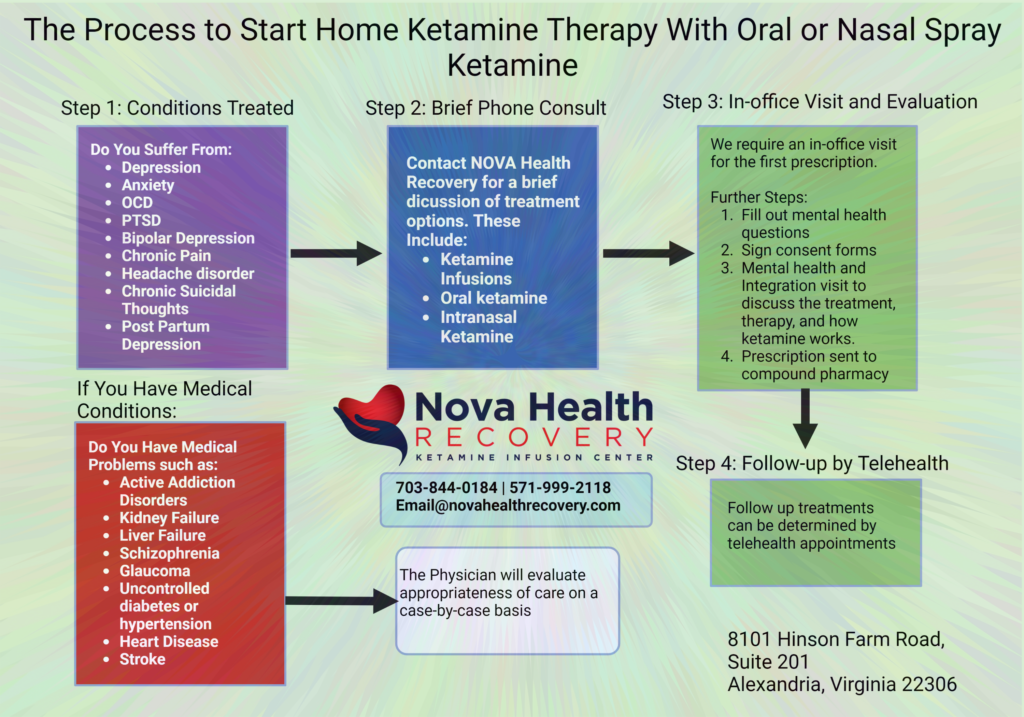
NOVA Health Recovery Ketamine Infusion Center offers home-based ketamine therapies for Depression, Bipolar depression, PTSD, anxiety, Chronic pain, suicidality, OCD, and other conditions. This treatment is suitable for patients who have been diagnosed with a mood disorder and no active substance use disorders. Patients using this therapy include those who have completed the ketamine infusion series and need maintenance therapy, those who would like to moderate depression with home treatments, and people with chronic pain.
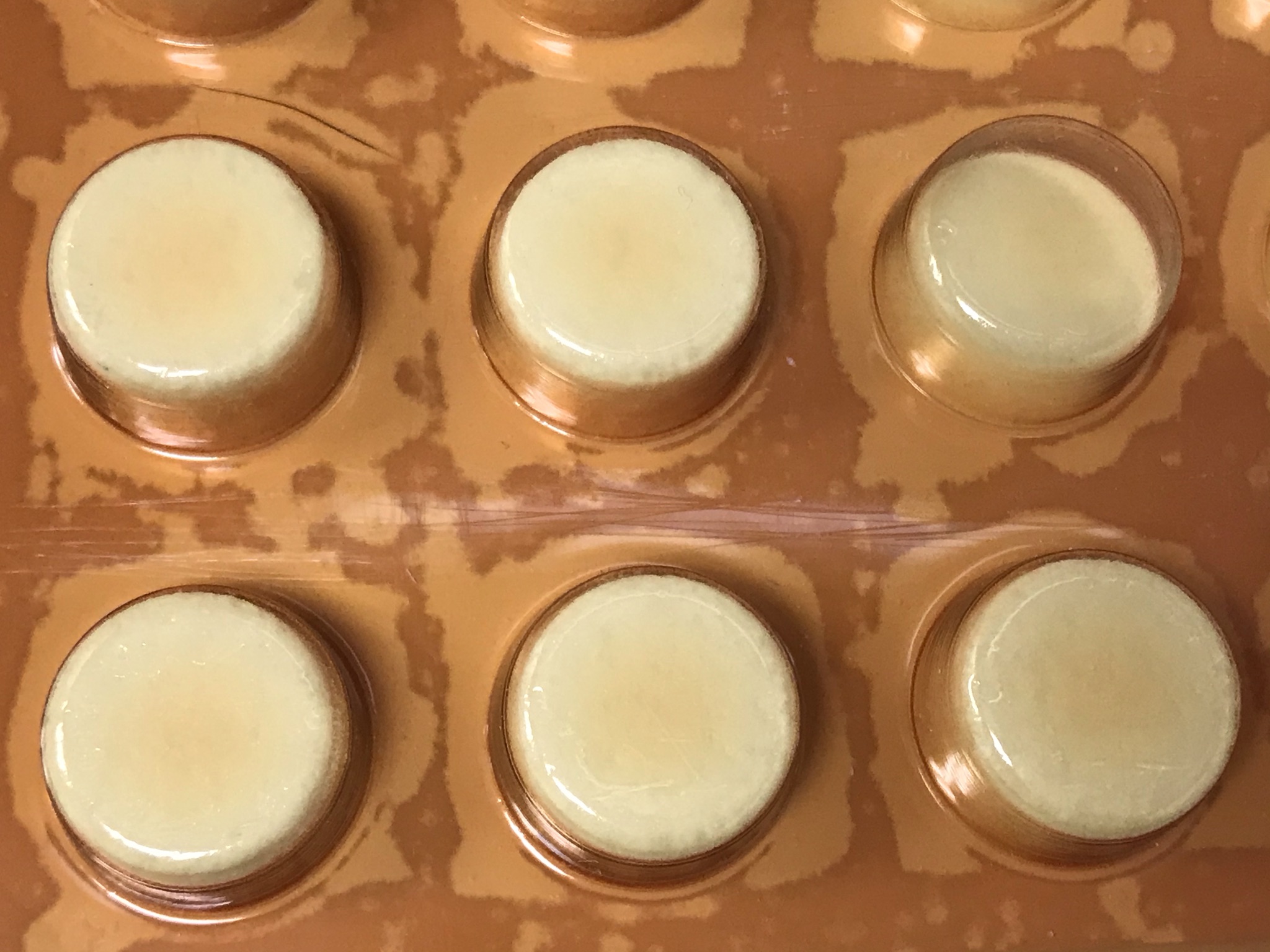
Oral Ketamine Therapy
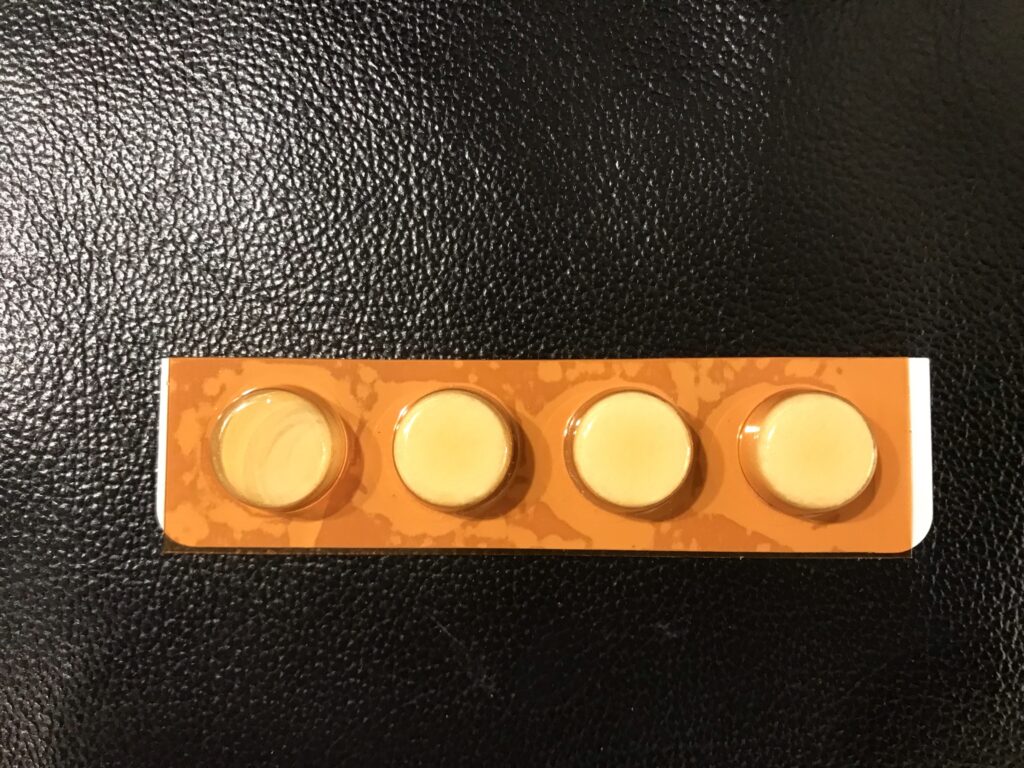
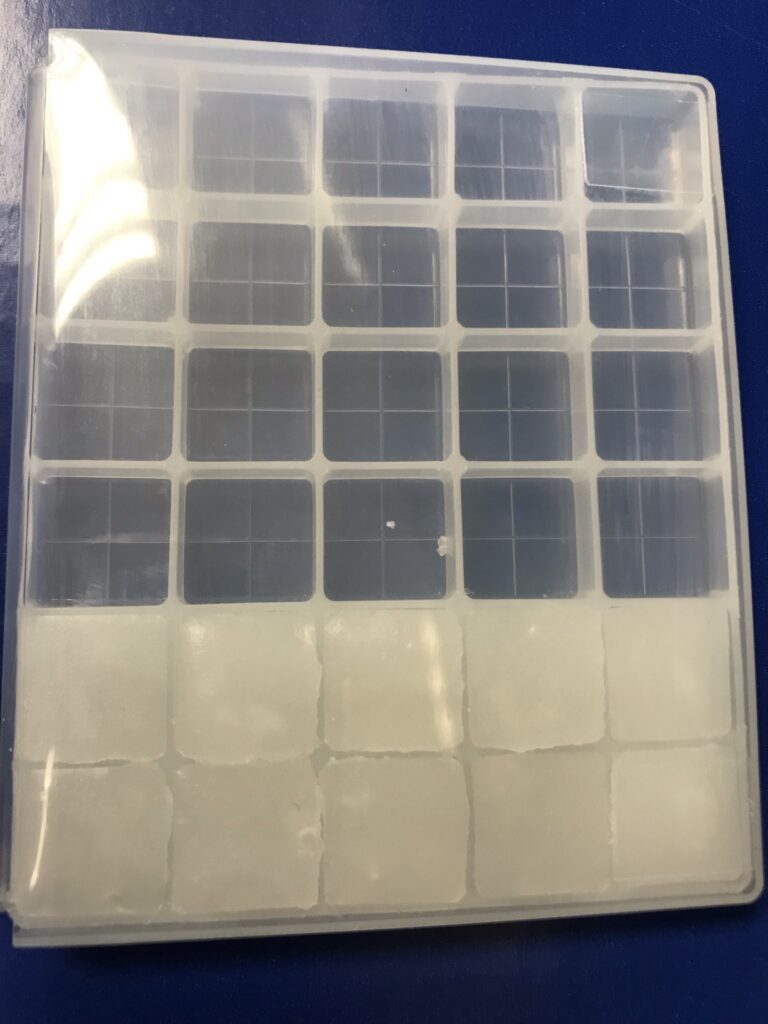
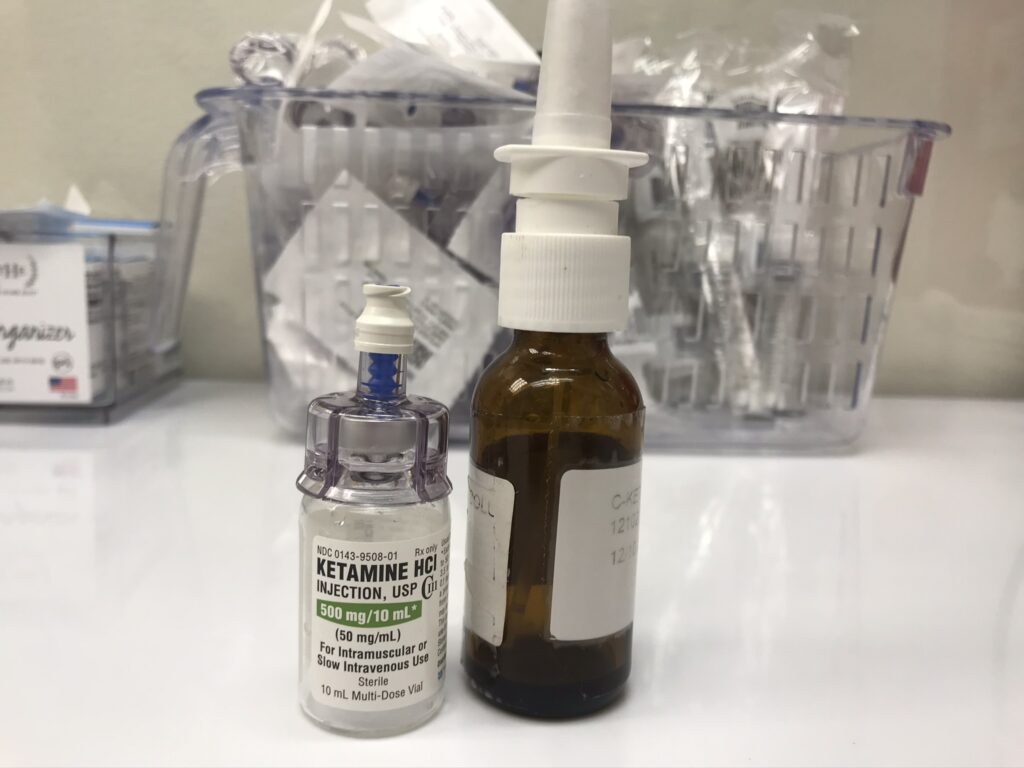
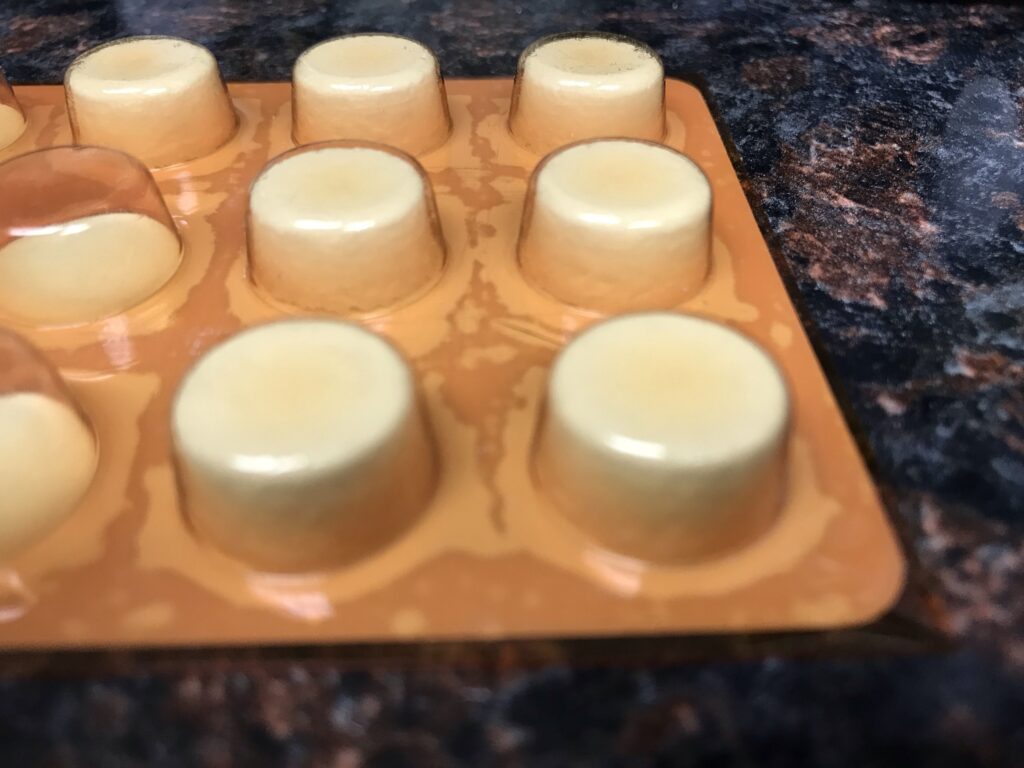
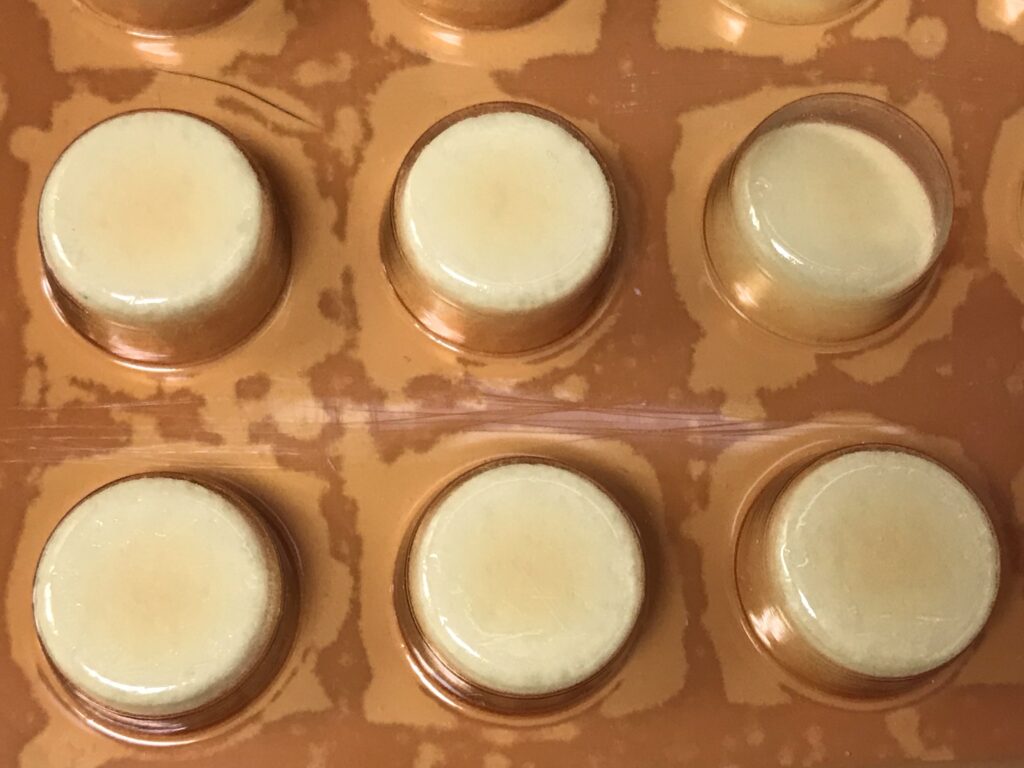
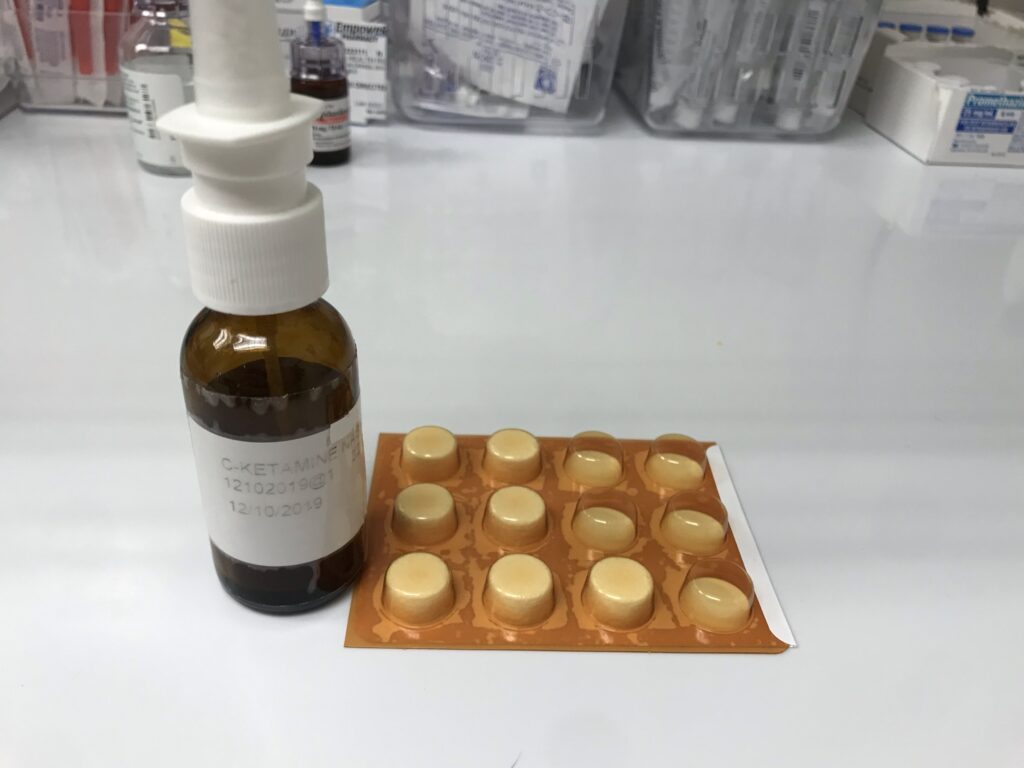
Ketamine Tablets, ready-to-dissolve tablets, and troches for depression, suicidality, anxiety, and pain. Used in a prescriptive manner, treatments vary by the patient weight and mental health condition. Tablets are dissolved under the tongue, and the medication is absorbed there. Results can be seen within several days in an incremental fashion. This treatment can be used with Ketamine-assisted psychotherapy to augment CBT, EMDR, and other psychotherapies. This therapy is generally used as a micro-dosing strategy and does not lead to dissociation unless the prescription is targeted for Ketamine-assisted psychotherapy.
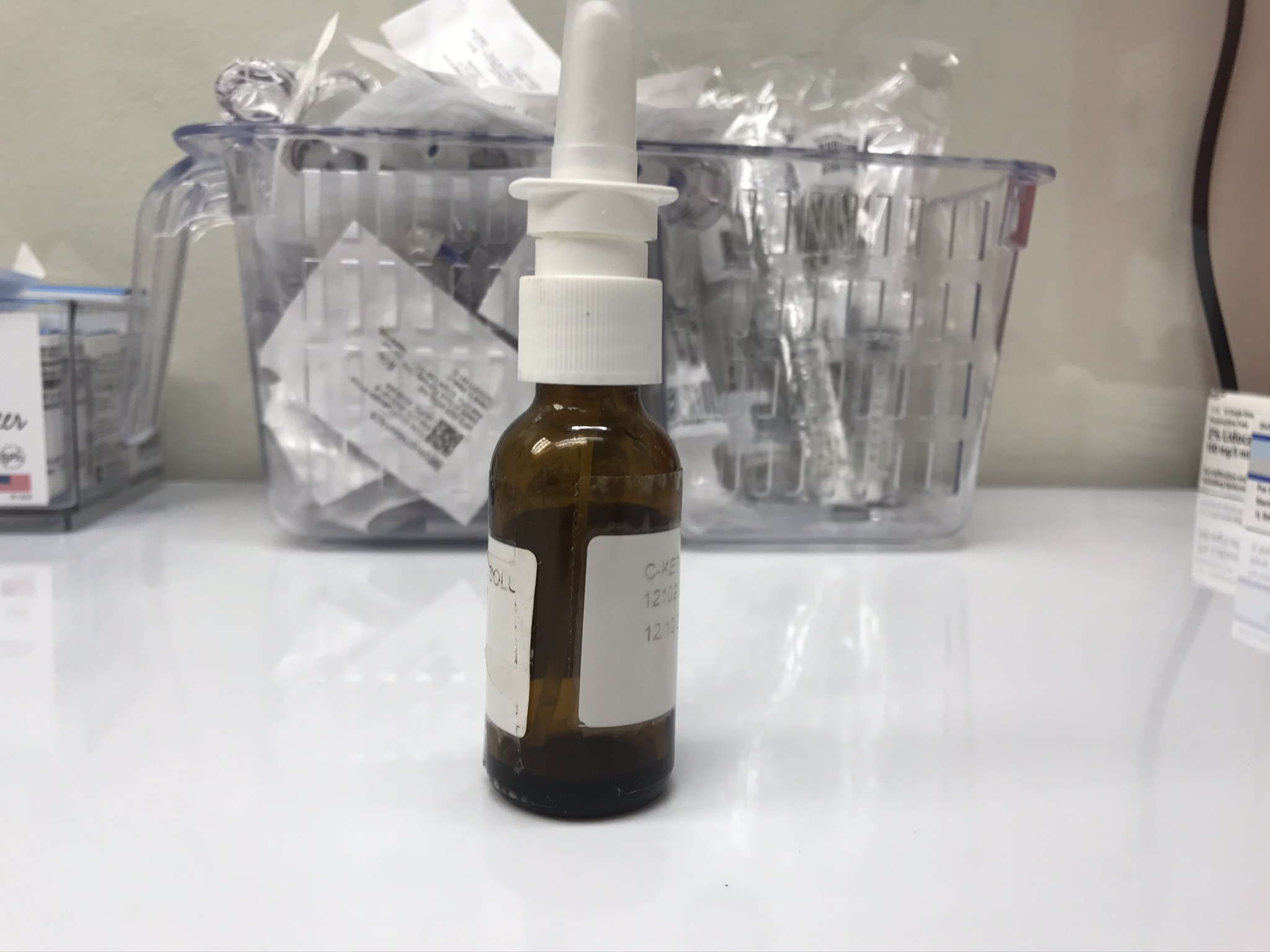
Ketamine Nasal Spray
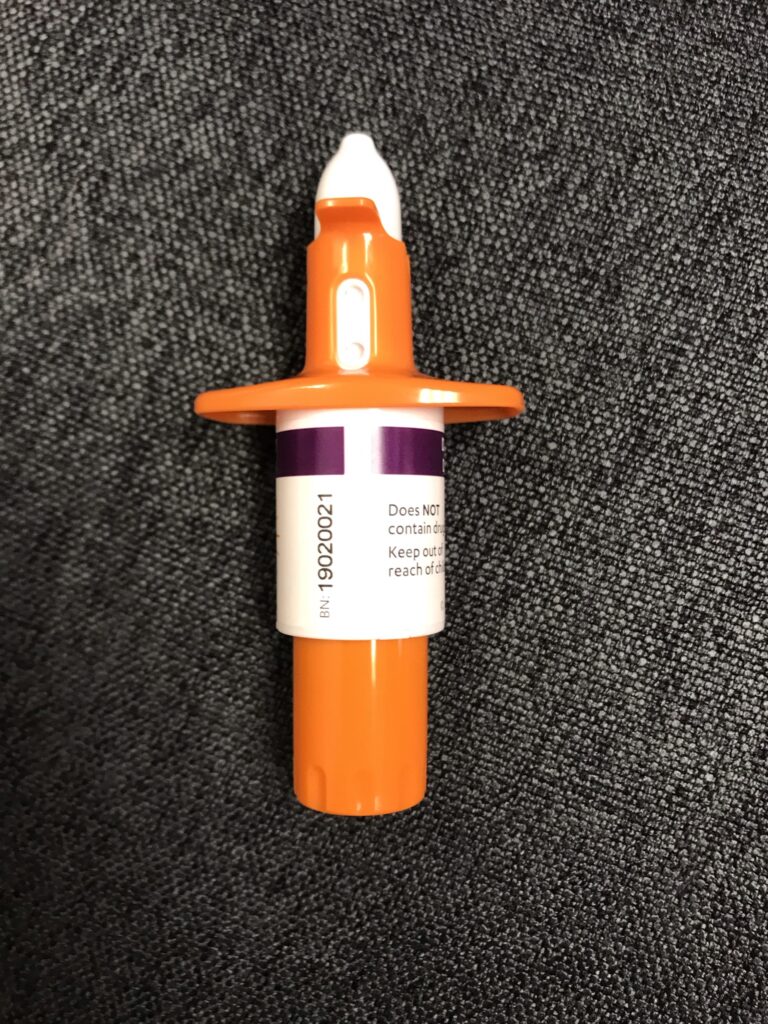
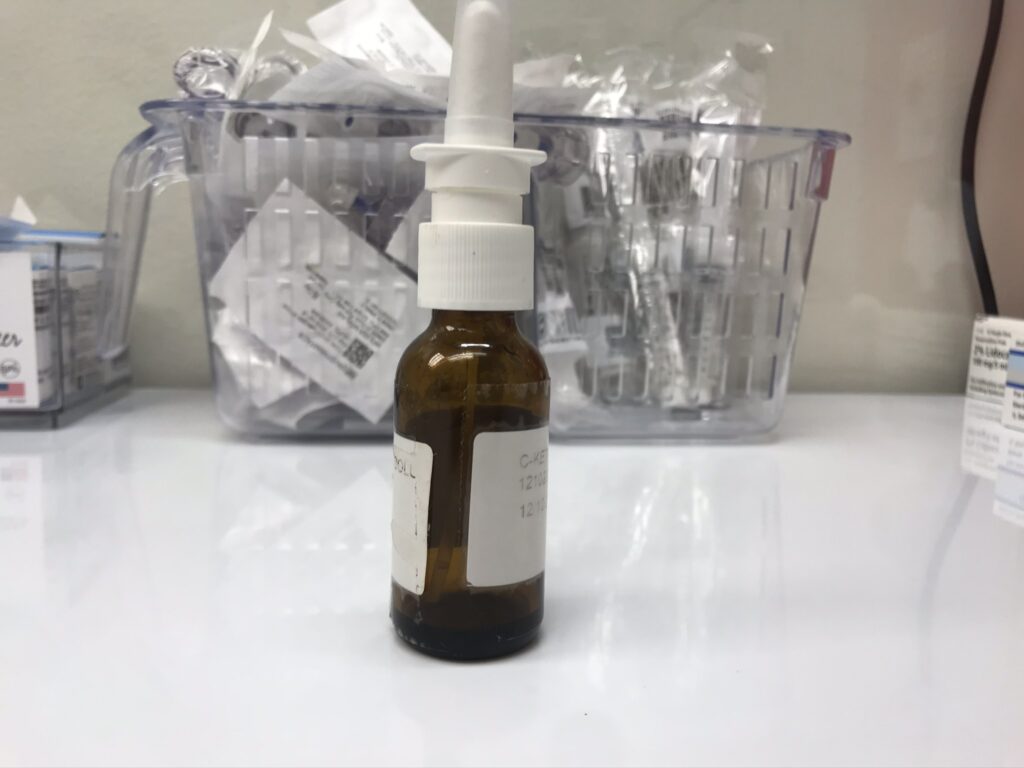
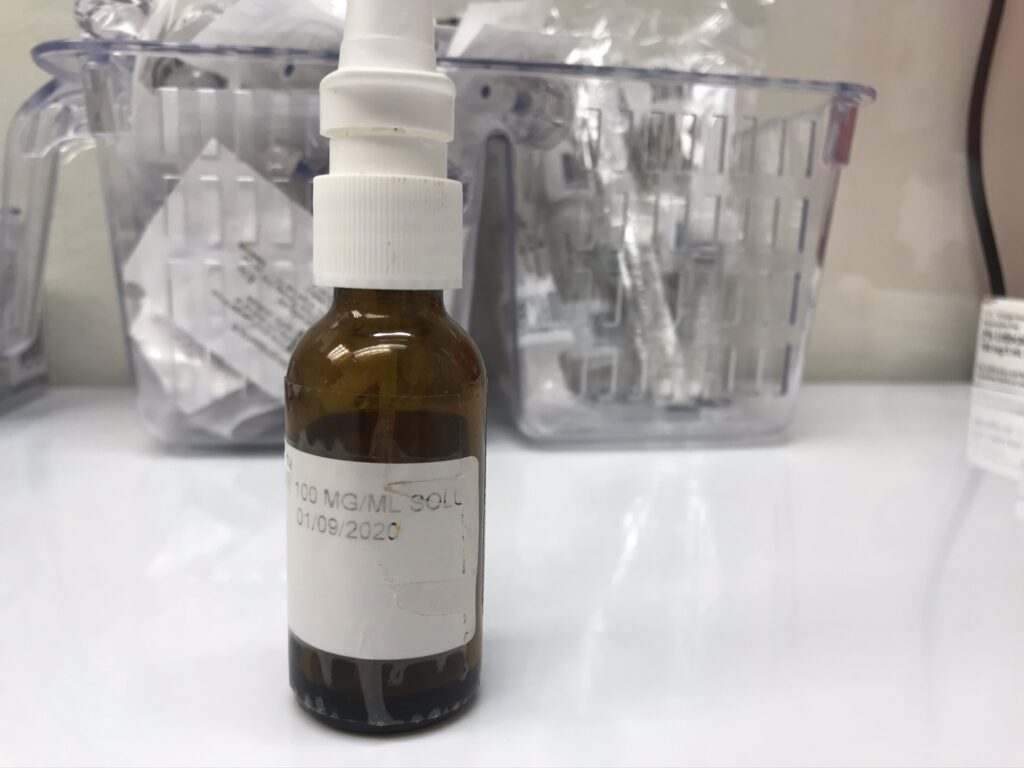
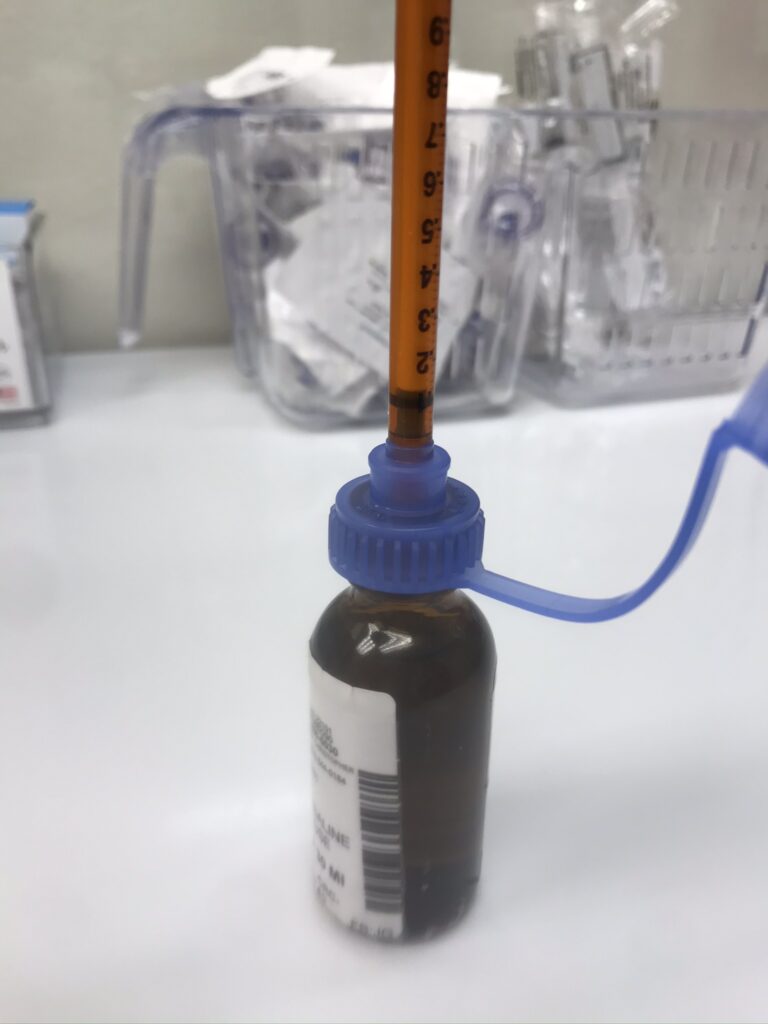
Ketamine nasal spray is compounded, racemic ketamine that has more rapid absorption than tablets. It is generally used at home several days a week for the treatment of depression, anxiety, PTSD, and chronic pain. This can be used to maintain the effects of ketamine infusions as well as treatment for depression or anxiety disorders from the ground up.
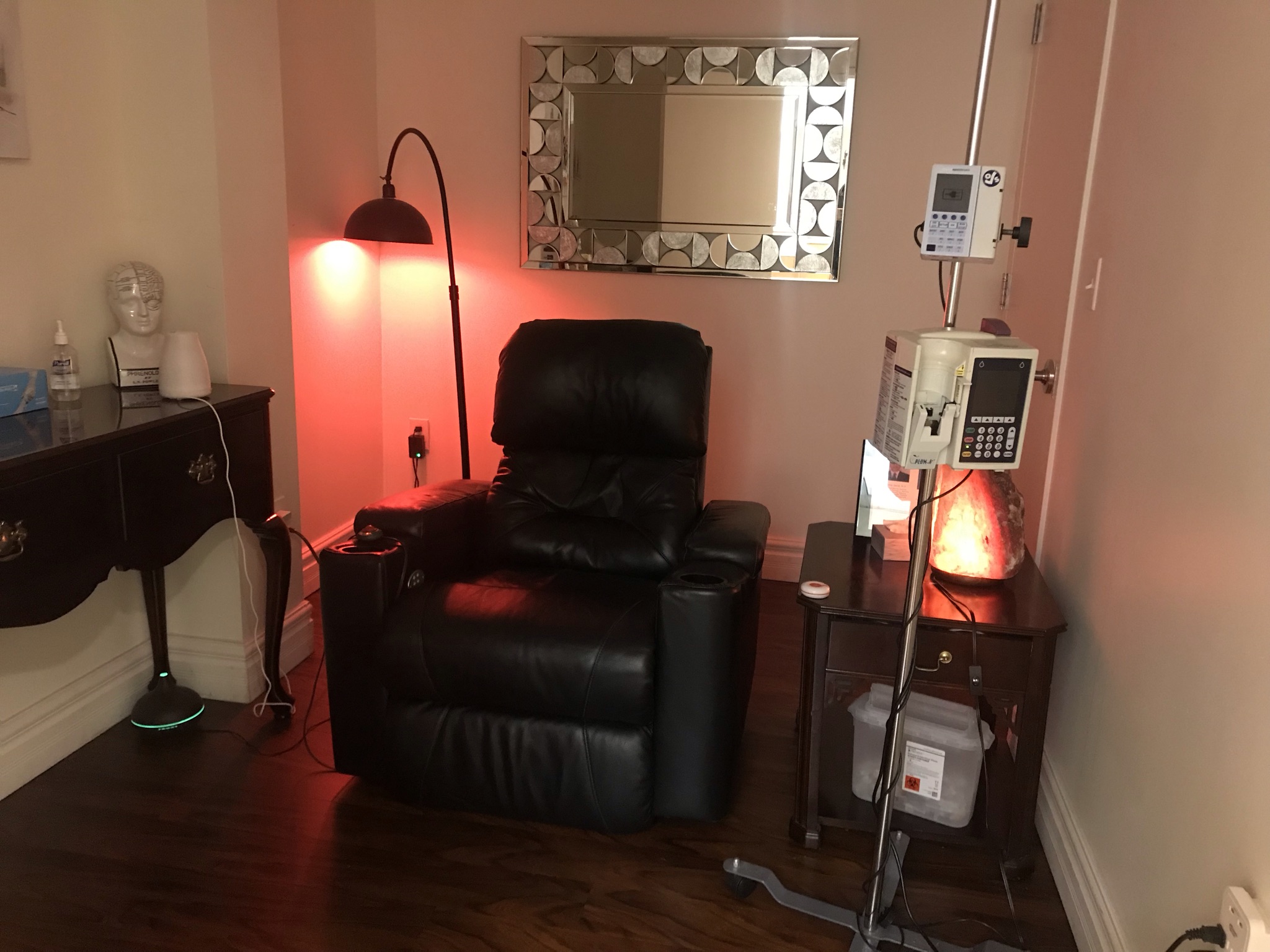
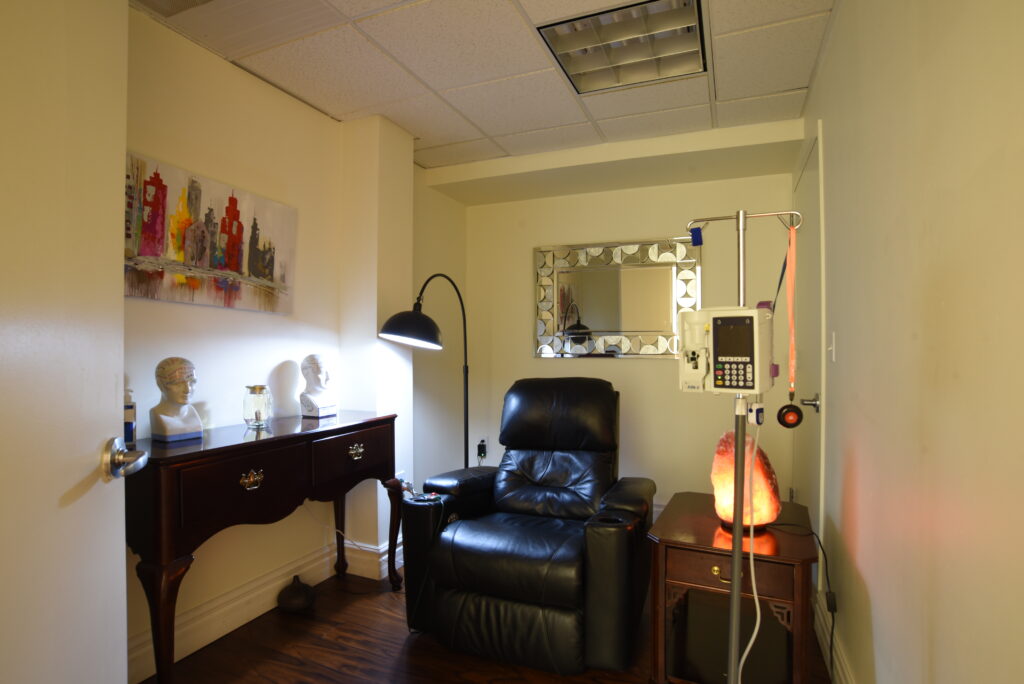
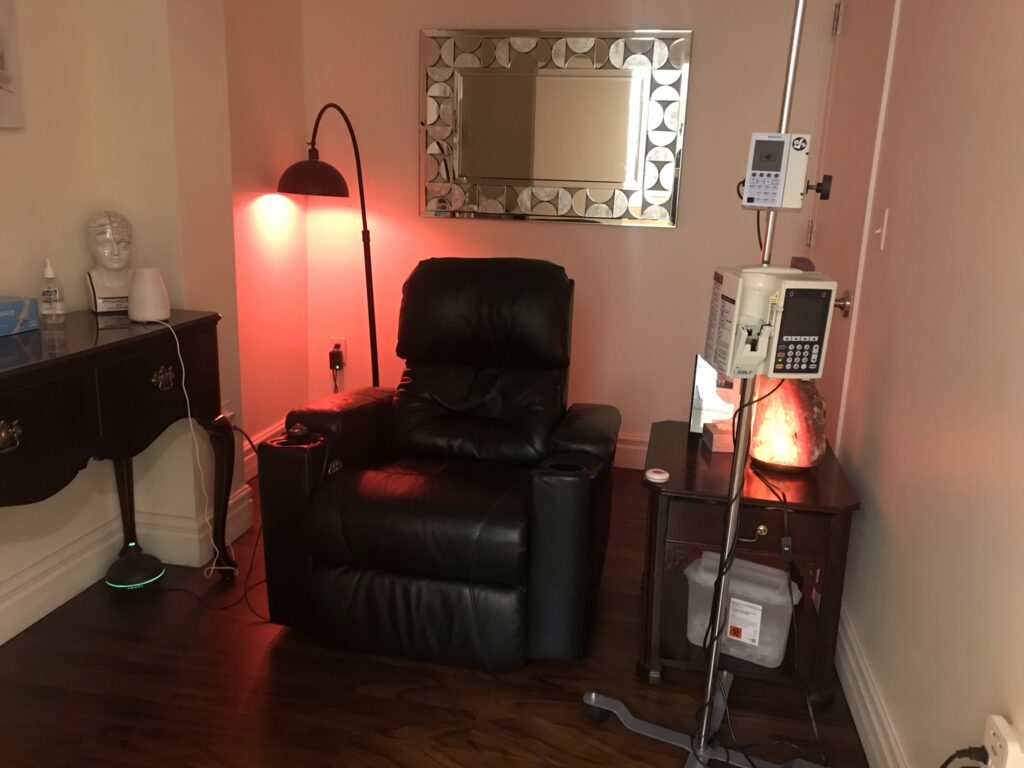
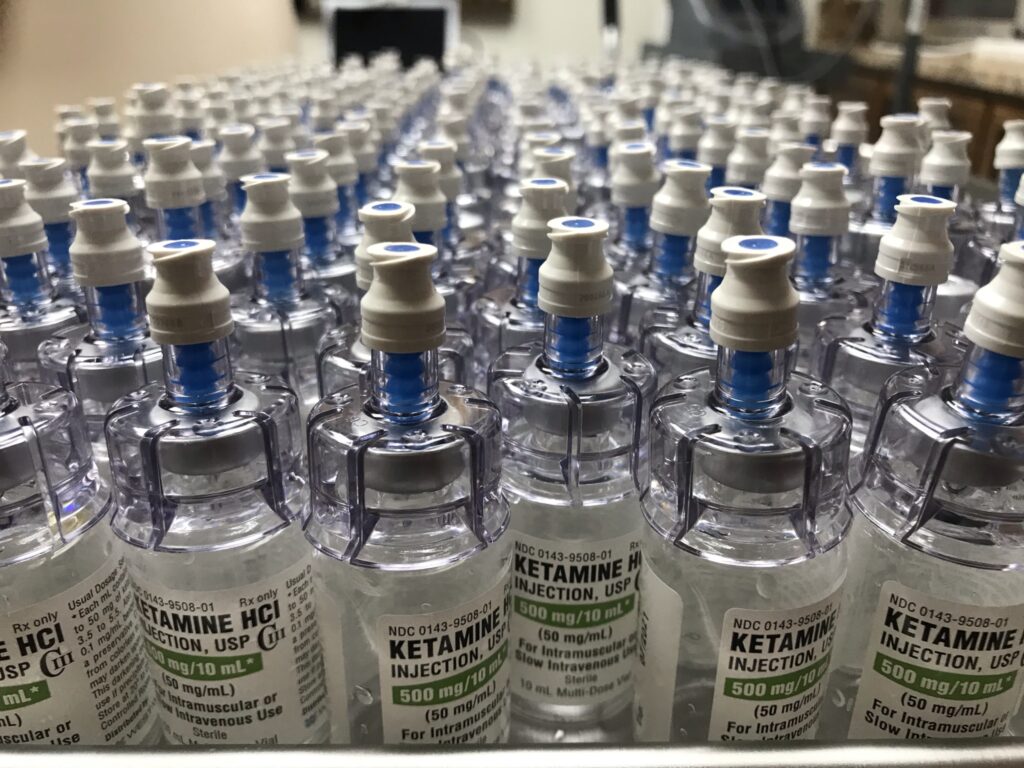
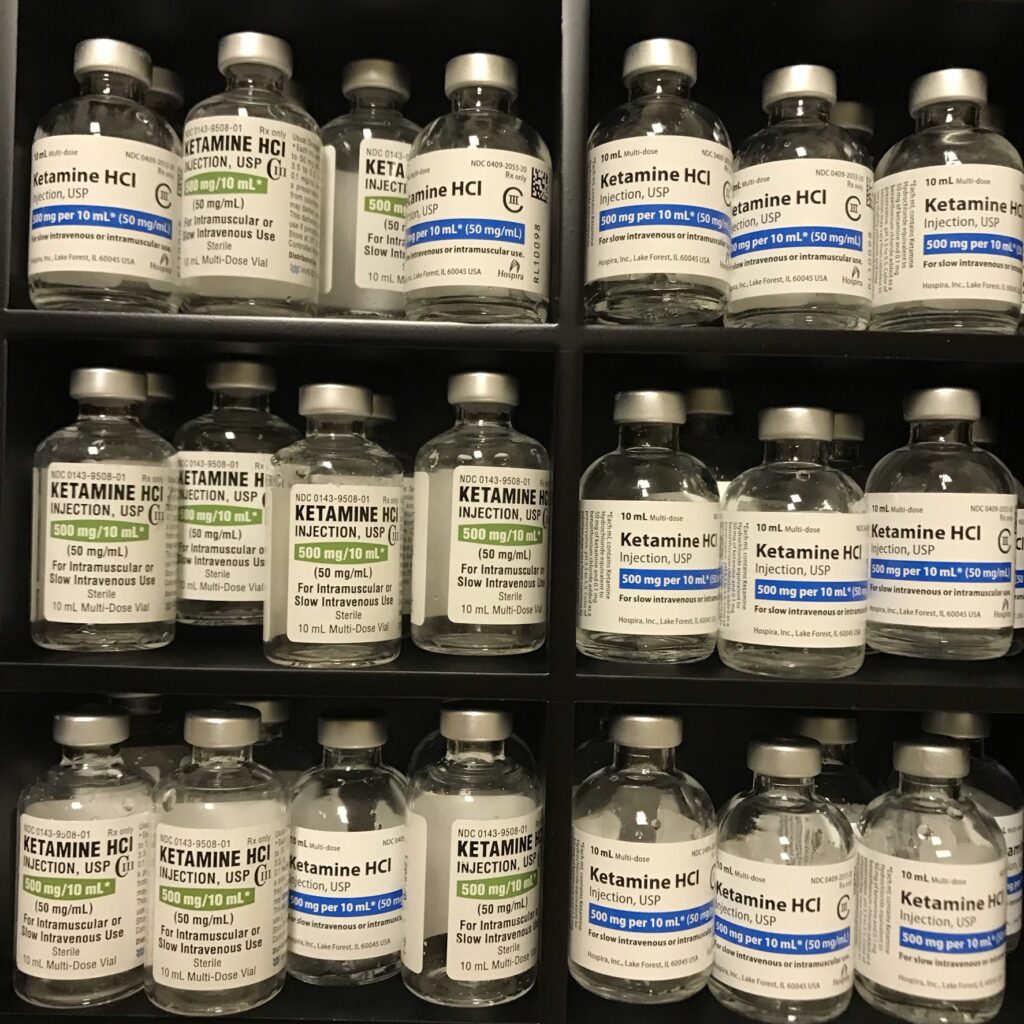
Ketamine Infusions for Rapid Depression Relief
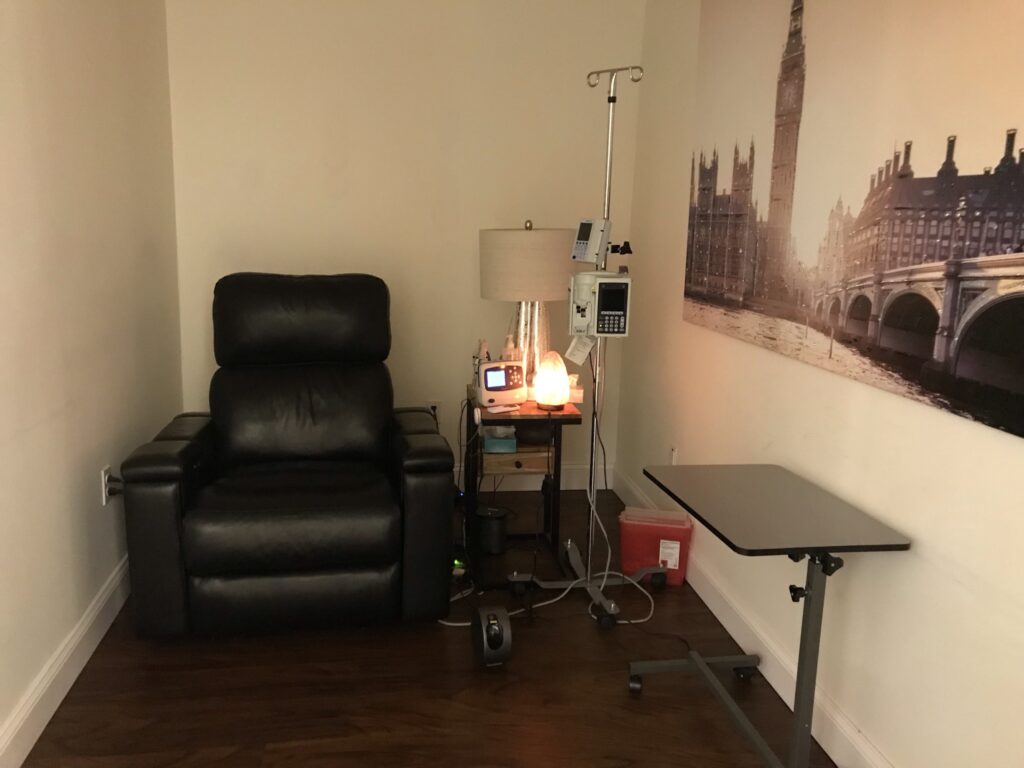
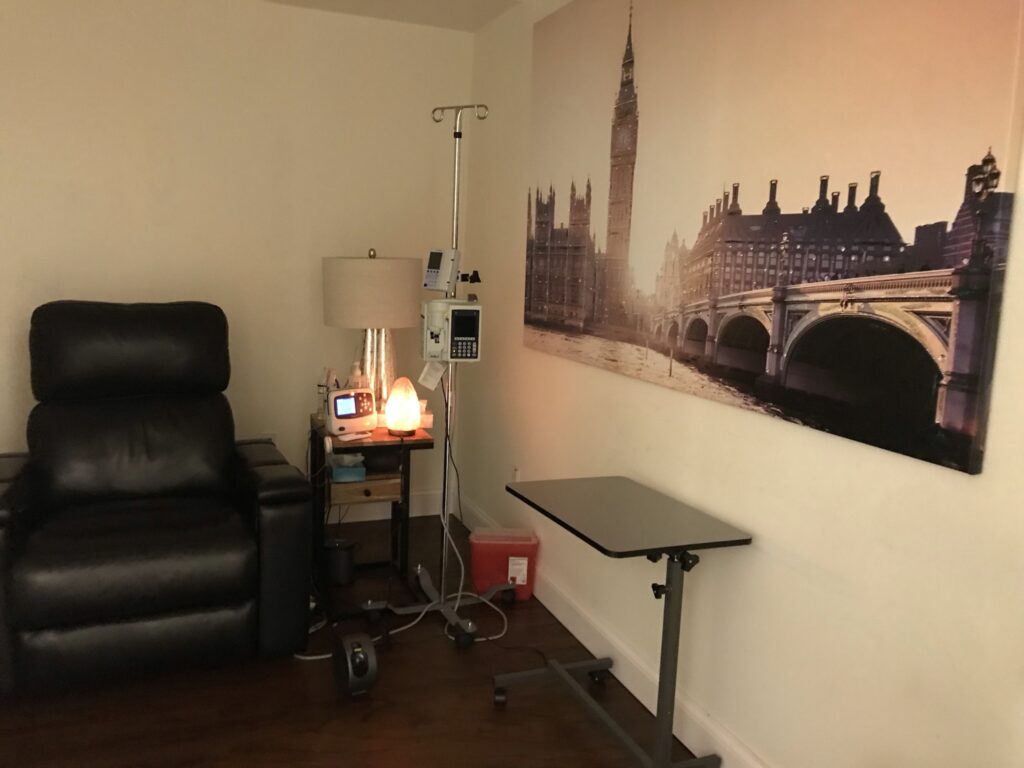
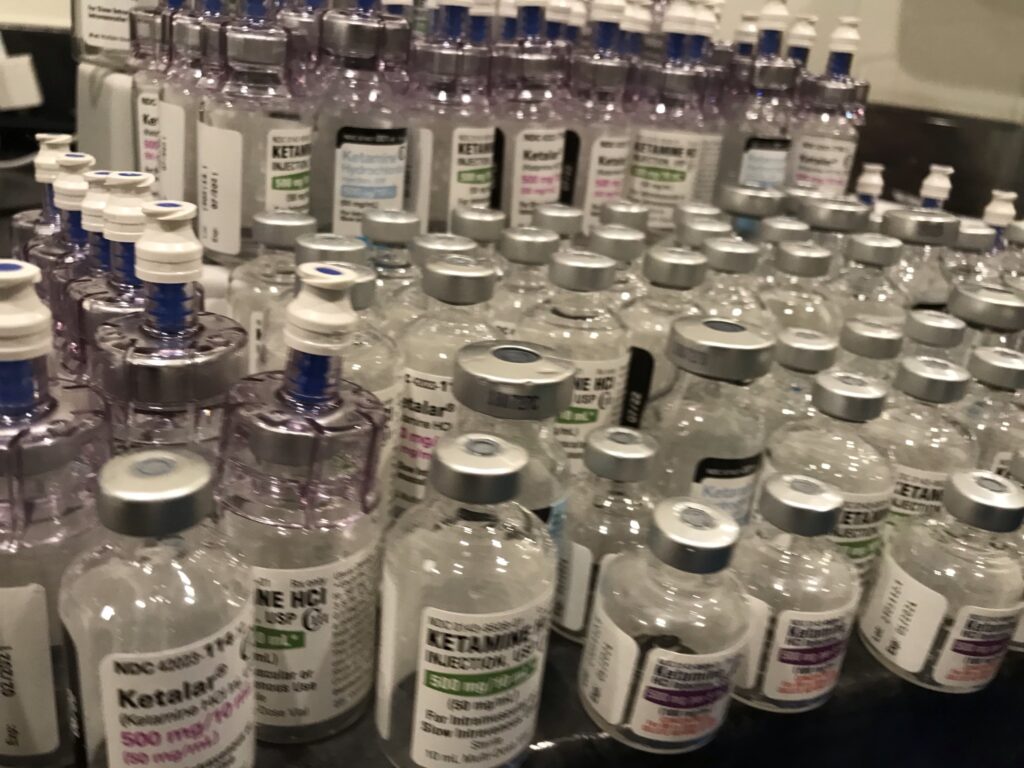
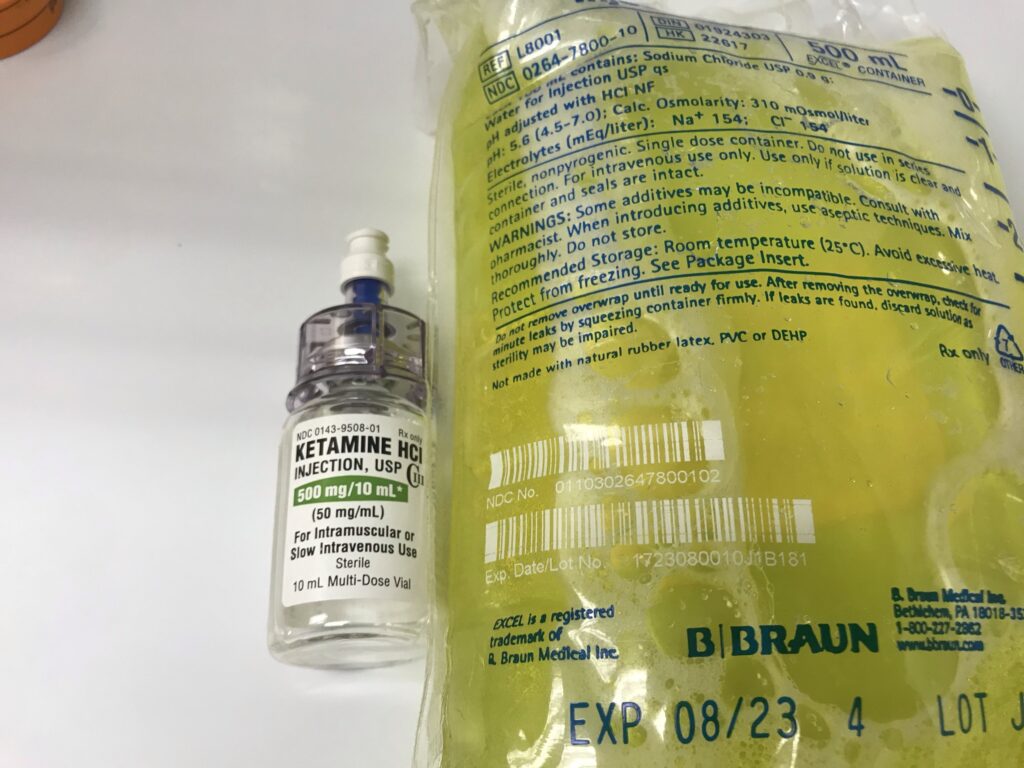
Ketamine infusions offer the most rapid and effective therapy for depression, PTSD, anxiety, suicidality, bipolar depression, and Pain. After an initial series of 6 infusions over two weeks, 75 % of patients have remission or significant improvement in their mood. They are then transferred to home-based ketamine therapies at NOVA Health Recovery.

Ketamine assisted Psychotherapy
Augment your psychotherapy with ketamine nasal spray and oral lozenges. Augment your initial antidepressant therapy with oral and nasal-spray ketamine. Ketamine treatment is more effective with psychotherapy and psychotherapy results are enhanced by ketamine treatments. Contact NOVA Health Recovery for more information.

Videos About Ketamine Therapy at NOVA Health Recovery:

- We explain how IV and at-home ketamine differ in setting, monitoring, logistics, and follow-up in Alexandria, VA.
- We explain central sensitization, CRPS flares, and why pain can change or spread over time.
- Nova Health Recovery in Alexandria, VA explains treatment-resistant depression, why antidepressants fail, and how IV ketamine therapy may help.
- Learn how ketamine-assisted psychotherapy (KAP) works at Nova Health Recovery in Alexandria, VA — the process, what to expect, and who it helps.
- Nova Health Recovery in Alexandria, VA explains how IV ketamine therapy may help patients with complex regional pain syndrome (CRPS) find relief.
- Stop racing to the next destination. Discover Alan Watts' wisdom on viewing life as a dance, not a marathon – and why this perspective shift can help you enjoy the process of being alive.
- Complete 2025 ketamine therapy guide featuring real crisis recovery lessons. From treatment basics to advanced integration, plus authentic resilience tools learned rebuilding after trauma. Your roadmap to healing through difficulty.
- Dr. Ko shares an unexpected lesson from building a 570-piece Lego set with his daughter: tackling hard challenges makes everything else feel easier. Drawing parallels between complex Lego builds and the discomfort of stepping outside our comfort zones, he explores how facing difficult experiences – whether in life or during ketamine therapy – expands our […]
- While rebuilding his ketamine clinic after a car bomb explosion, Dr. Ko shares how focusing on obstacles was actually hindering his progress. Drawing from Dan Millman's board-breaking lesson and the brain's negativity bias, he explains why outcome-focused intentions work better than obstacle-focused thinking – both for clinic rebuilding and ketamine therapy. Learn how to shift […]
- Dr. Ko shares a personal story about chess grandmaster Josh Waitzkin, who got worse at chess when he abandoned his natural aggressive style for expert advice. Drawing parallels to his own experience rebuilding after a clinic explosion, Dr. Ko explores how authenticity often serves us better than trying to be perfect, and how ketamine therapy […]
- You’re on the 6 train headed to your Spravato session in Midtown. You’ve felt like yourself for months now: sleeping, laughing, showing up. And then the thought arrives. Am I doing this forever? Most people ask how long you stay on Spravato quietly, with a little guilt, as if wanting an endpoint means they aren’t […]
- You are sleeping again. You laughed at something last week and meant it. The morning no longer arrives with dread. And then, this afternoon, you read the same paragraph four times and still could not tell anyone what it said. If that is where you are, you are probably drawing one of two conclusions: the […]
- You got through the funeral without crying, and that bothered you more than crying would have. You can name the things that used to feel good, and you feel none of them. You are getting to work, answering emails, showing up, which is exactly why nobody has asked if you are okay. This has a […]
- You found the clinic. You read the studies at 1 a.m. You may be the one paying, or driving, or rearranging the week so the appointments happen. And nearly everything written about transcranial magnetic stimulation (TMS) is for the person in the chair, not the person in the car afterward. Almost nothing is written for […]
- Maybe you have been reading about TMS for weeks. Maybe someone you trust brought it up over coffee. Either way, one question sits heavier than the cost, the schedule, or the commute: does TMS change your personality? Will I still be me afterward? Our care team hears this all the time, usually once the door […]
- You’ve recognized the pattern—winter after winter of the same exhaustion, low mood, and difficulty functioning. You’ve decided to seek professional help. Now comes the uncertainty: What will they ask? What tests will they run? How do you prepare? A comprehensive seasonal affective disorder evaluation typically includes a physical exam with in-depth health questions, laboratory tests […]
- You know the pattern. Every October, as Boise’s daylight hours shorten and temperatures drop, you feel the familiar heaviness returning. By November, getting out of bed requires monumental effort. December through February become months you simply endure. The question isn’t whether your seasonal depression will return—research shows that people with a history of seasonal affective […]
- You followed all the recommendations. You purchased a 10,000-lux light box and used it faithfully every morning for thirty minutes. You started in early fall, before symptoms appeared. You positioned yourself at the right distance and made it part of your routine. Six weeks later, you’re still exhausted, still struggling with motivation, still dreading each […]
- If you’ve experienced the same pattern of winter depression for two or more consecutive years—feeling fine through spring and summer, then struggling with low mood, fatigue, and changes in appetite as fall arrives—you’re likely dealing with seasonal affective disorder. The evidence-based treatment options for SAD include bright light therapy, cognitive-behavioral therapy adapted for seasonal depression, […]
- You wake up exhausted despite sleeping ten hours. By mid-afternoon, you’re hunting for bread, pasta, or sweets with an intensity that feels almost desperate. You finish a full meal and within an hour, you’re back in the kitchen looking for more carbohydrates. This isn’t a lack of willpower—it’s your brain attempting to self-correct a neurochemical […]
- When you look up ways to improve your mental health, exercise tends to be at the top of the list. Why is that? The benefits of exercise on mental health have been extensively researched and documented, making fitness one of the best ways to naturally manage mental illness. The post How to Combine Exercise and […]
- As someone who identifies as LGBTQ, you deserve a therapist who understands the complex emotions and struggles you experience. The LGBTQ population is twice as likely to suffer from depression, anxiety and other mental health problems. The post 5 Bad Habits to Change in the New Year appeared first on Foundations Family Counseling.
- As someone who identifies as LGBTQ, you deserve a therapist who understands the complex emotions and struggles you experience. The LGBTQ population is twice as likely to suffer from depression, anxiety and other mental health problems. The post Counseling for the LGBTQ Community in Denver, Colorado appeared first on Foundations Family Counseling.
- Couples counseling is a place where partners can stand on neutral ground and learn to see each other in a different light. Whether you've been struggling against a negative cycle for years or only recently started having trouble, we offer couples counseling services for everyone in Denver, Colorado and beyond! The post 8 Great Tips […]
- Every couple has their fair share of challenges, but if yours are causing issues in your marriage, counseling may be able to help. While there are unique experiences in every relationship, marriage counseling and couples therapy are built from years of study about healthy partnerships. With the guidance of a therapist, you and your spouse […]